Towards net zero

From reducing our own emissions to leading decarbonisation throughout our supply chain

With renewable energy at the centre of our vision and purpose, it should come as no surprise that we take decarbonisation seriously. 

The truth is, it hasn’t always been that way – as our company’s roots lie in coal-fired power stations. Yet after refocusing our business on renewables in 2009, we acted so decisively that we achieved a 98 % reduction in scope 1 and 2 emissions intensity by the end of 2025. 
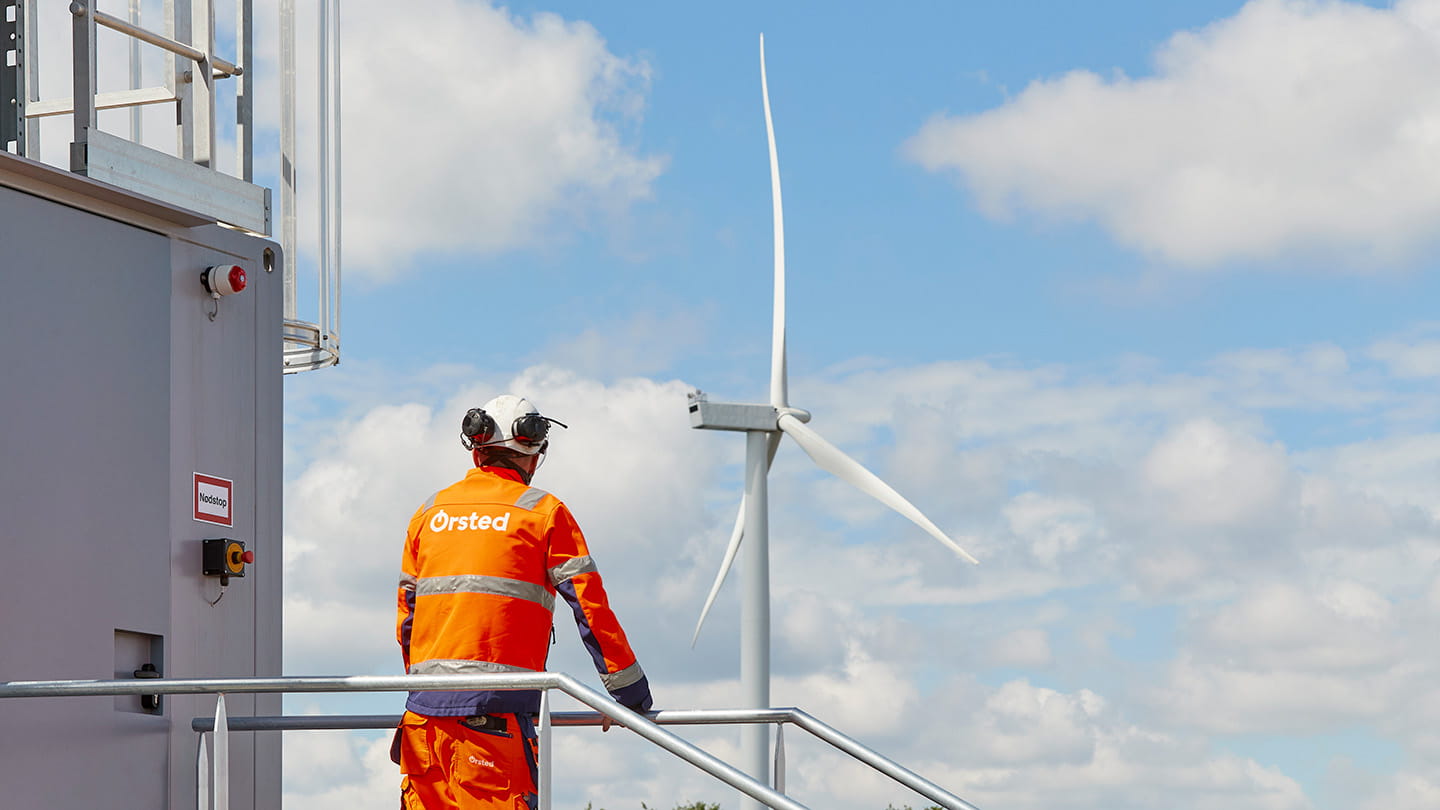
technician on wind turbine
Meeting this target involved phasing out fossil-fuel consumption and increasing the share of our facilities that produce renewable energy to achieve a renewable energy share of 99 %, also by the end of 2025. In addition, Ørsted’s share of capital expenditures classified as sustainable stands at 99 %.

Delivering on our 2025 emissions-intensity target is a major step towards our 2040 net-zero target, which has been validated by the Science Based Targets initiative (SBTi). 


Decarbonisation by the book

Our 2040 net-zero target and our interim targets are all based on and fully aligned with available climate science, as validated by the SBTi. In fact, we were the world’s first energy company to achieve this validation. 

In addition to working with the SBTi, we are always looking for best practices on corporate climate action. Leading organisations are recognising our achievements – we’ve received an “A” CDP climate score for seven consecutive years and have been ranked the #1 leader on climate action three times in a row by the World Benchmarking Alliance (WBA). 

Our strategic approach to decarbonisation builds on global best practice standards and the 1.5 °C pathway, as supported by climate science and outlined in the Paris Agreement.  

Next step: value-chain emissions


By 2025, we had already reduced the emissions intensity of the energy we generate and our operations (scopes 1 and 2) by 98 % compared to a 2006 baseline.  

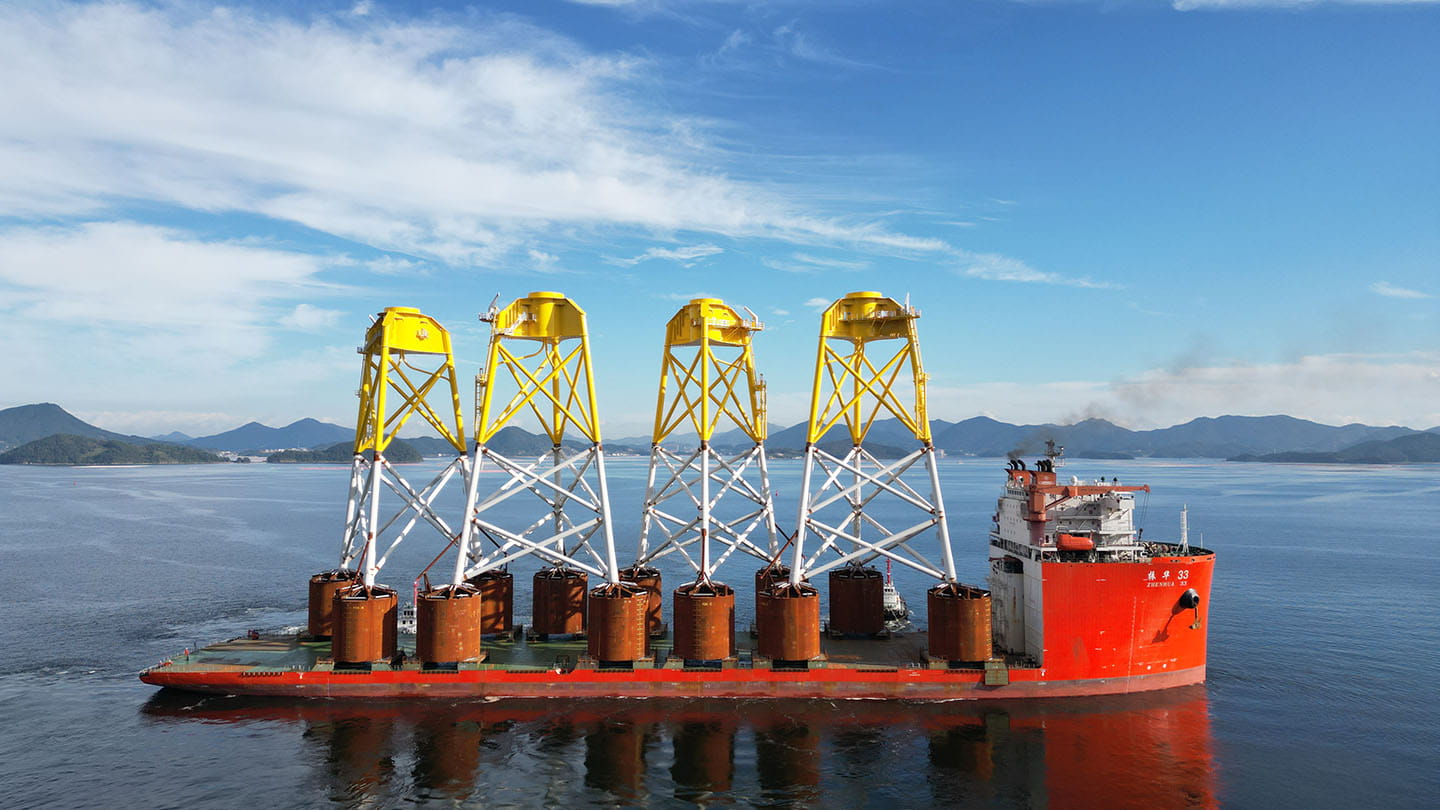
Now we’re working to reduce the remaining emissions across our value chain (scopes 1–3), mainly across the manufacture, installation, transport, and operation of our renewable energy assets. 

To achieve this, we’re working with suppliers to adopt new technologies that accelerate decarbonisation in sectors we rely on, such as steel and shipping. We are developing circular solutions with key suppliers to reduce the need for virgin materials. And we’re working with all key Ørsted suppliers to bring down our scope 3 emissions. 

By meeting our target of a 98% reduction in scope 1 and 2 emissions intensity by 2025, we have effectively completed our renewable energy transition. As our next step, we are systematically driving down remaining value chain emissions to meet our target of net-zero emissions by 2040.

Anders Johannes Enghild

Head of Global Sustainability

Learn more about decarbonisation and sustainability