Decarbonisation – scopes 1 and 2

Emissions from our energy generation and operations

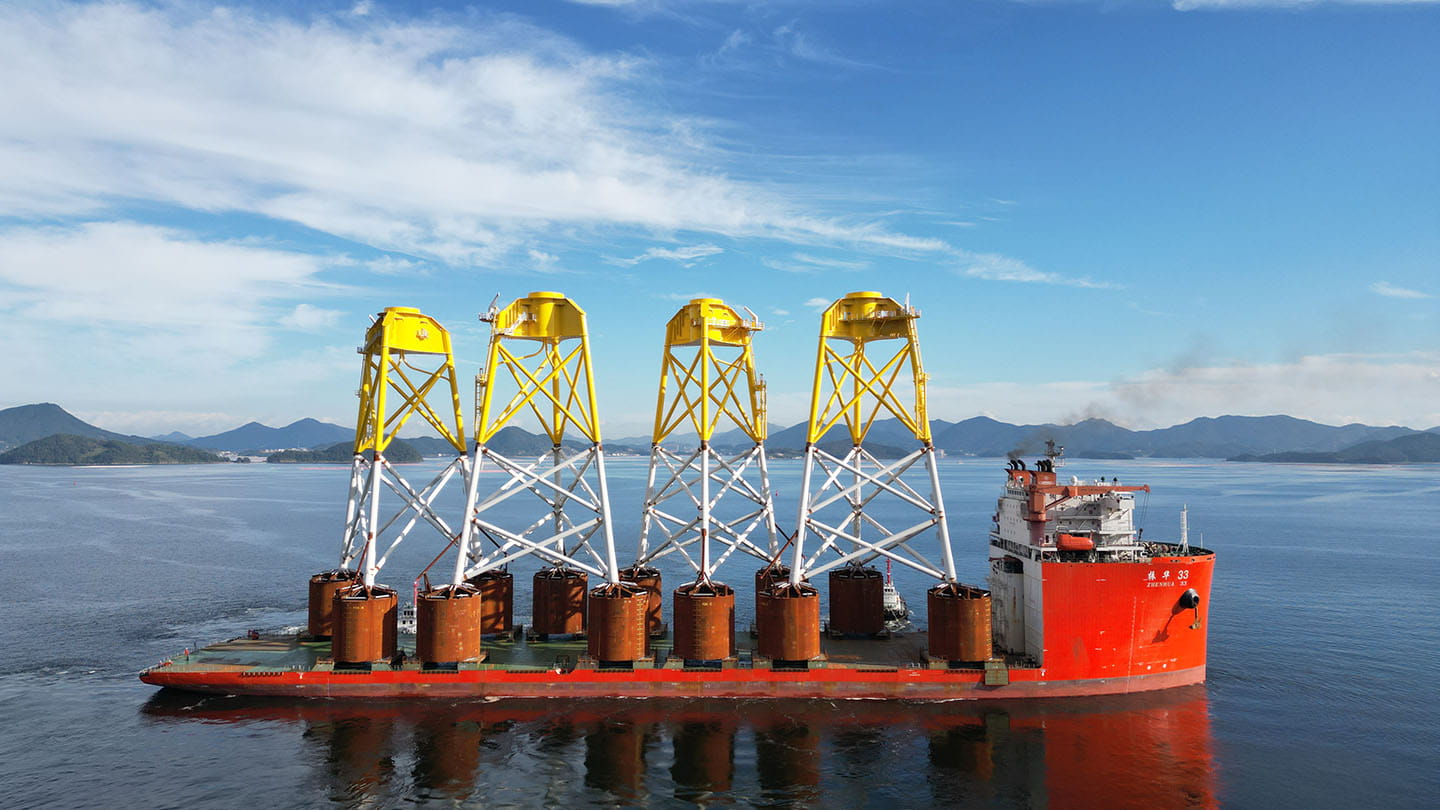
Simply put, scope 1 emissions are those produced directly at our sites, mainly via the combustion of fossil fuels. Needless to say, scope 1 emissions from wind farms and other renewable sources are much lower than those from plants that burn fossil fuels. CO2 emissions from electricity produced by offshore wind farms, for example, are 99 % lower than those from coal-fired power stations.
Any remaining emissions produced at our facilities arise mainly from vessels deployed at our offshore wind farms and from gas and oil used as support fuels at our Danish power stations. Only used when market conditions require it, these units provide important flexibility and help ensure energy-supply security. 

Indirect emissions from electricity and district heating (scope 2)


Scope 2 emissions are ‘indirect’ because they stem from electricity we buy from others, but that arise from our own consumption. These include emissions from office sites, electric boilers at our CHP plants, and electricity consumed by our company electric vehicles (EVs). Scope 2 also covers emissions from district heating. 

99 % renewable in 2025


At Ørsted, we’ve made great strides in reducing our carbon emissions. We closed our last coal-fired power station in 2024 and have, consequently, phased out fossil fuels as the primary energy source for our heat and power generation. 

All our investments in new production are dedicated to renewable energy projects. We cover 100 % of the electricity we use with renewable energy certificates. And we have substantially lowered our scope 1 and 2 emissions by closing our coal-based power stations or converting them to run on certified-sustainable biomass and by investing in renewable energy projects – especially offshore wind. 
 
Our emissions intensity target for scope 1 and 2 emissions was just 10 g CO2 per kWh (a 98 % reduction from 2006), with a target of 99 % for the share of renewable energy our facilities generate. Both targets were met in 2025, and we are now working towards a target of only 1 g CO2 per kWh by 2040. 
 

Tracking our progress

We’ve come a long way in reducing our emissions and increasing the green share
of our energy generation. 

Orsted scope 1-2 greenhouse gas emissions for 2025

Covering residual emissions with nature-based solutions 

To reach our target of net-zero carbon emissions by 2040, we also need to address residual emissions we can’t eliminate entirely. Investing in initiatives such as a mangrove restoration project in The Gambia is one way we are getting the job done.